

The Quality Paradox: When “Old” Beats “New”
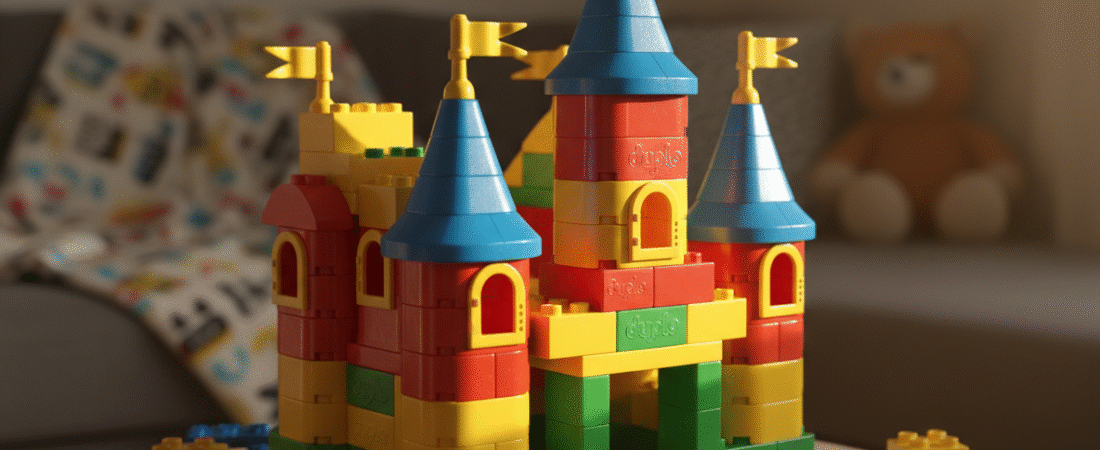
What if I told you the “used” Duplo blocks from 1995 are higher quality than the new ones from 2025? And they cost 70% less?
It sounds counterintuitive, but it’s true. Vintage toys often outperform their modern counterparts in materials, durability, and even safety. As someone who’s spent 20+ years in electronics engineering doing component-level analysis, I can tell you: manufacturing standards have changed, and not always for the better.
The reality: Many toy manufacturers have shifted to cheaper plastics, thinner materials, and cost-cutting production methods. Meanwhile, toys from the 80s, 90s, and early 2000s were built like tanks—designed to survive multiple children and still look great.
Why Older Toys Are Often Better
1. Superior Materials
Vintage toys were manufactured during an era when durability was a selling point. Thicker plastics, solid wood construction, and metal components were standard.
- Duplo/Lego blocks (pre-2000): Heavier, more rigid ABS plastic with tighter tolerances
- Fisher-Price Little People (vintage): Solid wood construction vs. hollow plastic
- Tonka trucks (pre-1990s): Steel bodies vs. modern lightweight plastic
Modern equivalents? Often made with thinner, lighter plastics that crack, fade, or break under normal play.
2. Built-In Durability
Toys designed 20-40 years ago were expected to last through multiple children. They were engineered for longevity, not planned obsolescence.
- Wooden blocks from the 70s still stack perfectly
- Vintage board games have cardboard that doesn’t warp
- Metal toy cars from the 80s still roll smoothly
3. Timeless Design
Classic toys focus on open-ended play, creativity, and imagination—not licensed characters or electronic gimmicks that date quickly.
Examples:
- Building blocks
- Wooden train sets
- Play kitchens
- Art supplies
- Puzzles
These toys don’t go out of style. A wooden train set from 1985 is just as engaging today as it was 40 years ago.
4. Safety Standards (Yes, Really)
Modern safety standards are stricter, but vintage toys that meet today’s guidelines are often safer than cheap new imports.
What to check:
- No lead paint (test kits available)
- No small parts for young children
- No sharp edges or broken pieces
- Meets current CPSC standards
Pro tip: Established brands like Fisher-Price, Lego, and Playskool from the 80s-90s often exceed modern safety standards due to superior materials.
Case Study: Lisa’s Crafty Collections
Lisa’s Crafty Collections is a perfect example of the used toy marketplace done right. Specializing in curated, high-quality vintage and gently used toys, Lisa focuses on:
What makes Lisa’s approach work:
- Quality curation: Only accepts toys that meet strict condition standards
- Thorough cleaning: Every item is sanitized and inspected
- Fair pricing: 50-70% off retail for items in excellent condition
- Educational focus: Emphasizes open-ended, creative play
- Sustainability message: Reduces waste, extends toy lifecycle
Popular categories:
- Building sets (Lego, Duplo, wooden blocks)
- Pretend play (kitchens, tool sets, dress-up)
- Educational toys (puzzles, STEM kits, art supplies)
- Outdoor toys (ride-ons, sports equipment)
Customer testimonials highlight:
- “Better quality than new toys at Target”
- “My kids don’t know the difference—they love them”
- “I feel good about reducing waste and saving money”
Click Here to Visit!
Regifting Strategies: Birthdays, Holidays, and “New to You”
The Art of Strategic Regifting
Birthday parties:
- Curate a themed gift basket (e.g., art supplies, building blocks, outdoor toys)
- Pair vintage items with new wrapping and presentation
- Include a note about sustainability and quality
Holidays:
- Create “experience bundles” (e.g., craft kit + art supplies)
- Mix vintage and new items for variety
- Focus on timeless classics that don’t feel dated
“New to You” exchanges:
- Host toy swaps with friends and neighbors
- Organize community exchanges at schools or libraries
- Frame it as a sustainability initiative
Presentation Matters
How to make used toys feel special:
- Clean and polish everything to “like new” condition
- Use quality gift wrap and ribbons
- Include a handwritten note about the toy’s history or quality
- Pair with a small new accessory (e.g., new crayons with a vintage art desk)
Messaging:
- “This vintage Fisher-Price toy was built to last—just like the memories you’ll make”
- “Sustainably sourced, thoughtfully chosen”
- “Quality craftsmanship from a time when toys were built to be passed down”
The Bottom Line: Quality, Savings, and Zero Guilt
Regifting quality used toys isn’t settling—it’s upgrading. You’re choosing:
- Better materials (thicker plastics, solid wood, metal components)
- Superior durability (toys that survive multiple children)
- Timeless design (open-ended play, not licensed characters)
- Significant savings (50-70% off retail)
- Environmental responsibility (reducing waste, extending product lifecycle)
The smart parent’s approach:
- Research brands and quality indicators
- Shop trusted sources (thrift stores, estate sales, curated resellers)
- Inspect, clean, and sanitize thoroughly
- Present thoughtfully with quality wrapping
- Frame it as a sustainability and quality choice
And remember: The 1995 Duplo blocks aren’t just cheaper—they’re better. That’s not nostalgia talking. That’s engineering.